Serving Bismarck, ND and surrounding areas. (701) 299-5558
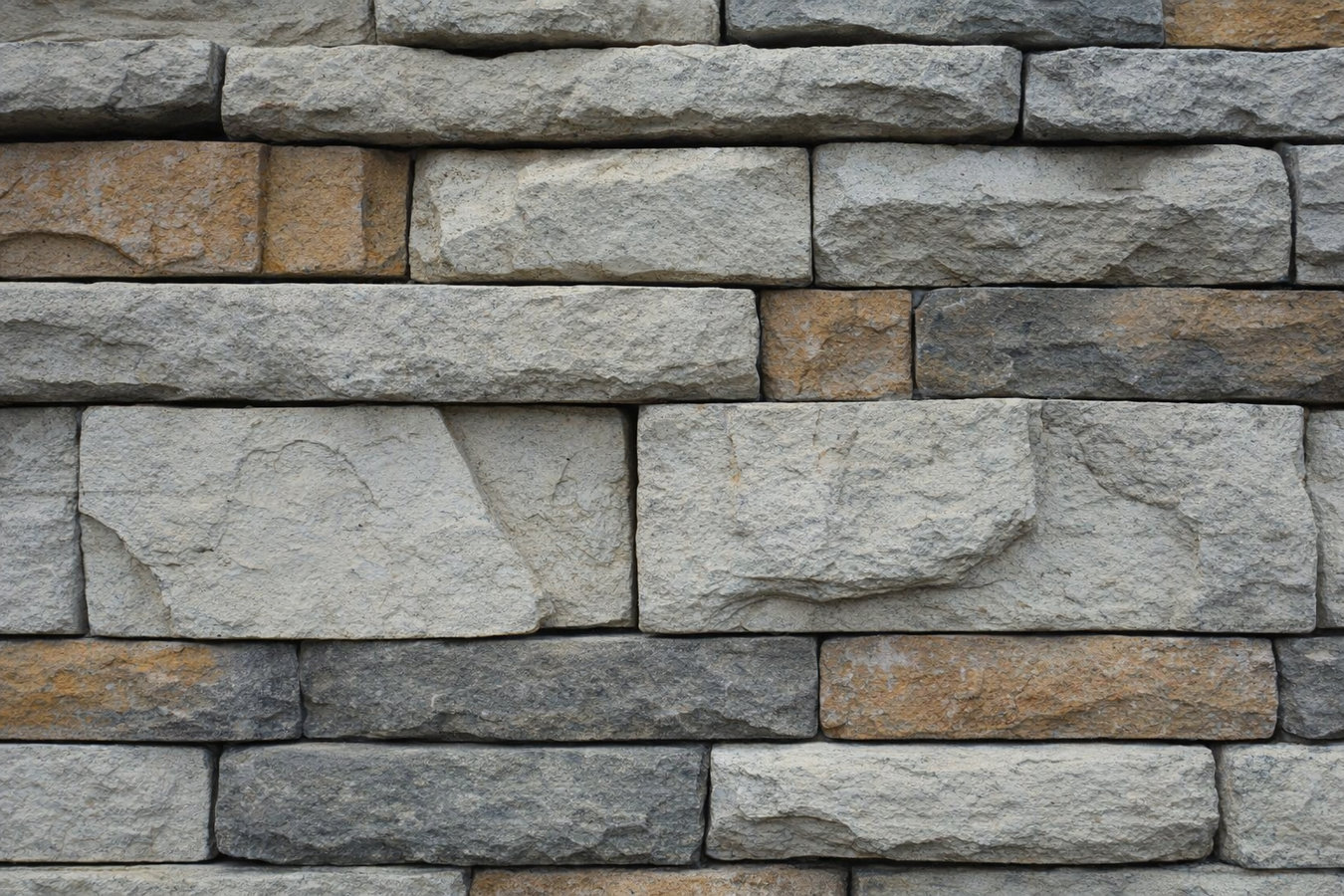
Crumbling mortar and spalling brick get worse every winter. We restore brick, stone, and block so your home is sealed and solid before the freeze hits.
Masonry restoration in Bismarck covers repairing, cleaning, and stabilizing brick, stone, or concrete block structures - replacing deteriorated mortar joints, patching cracked or spalling surfaces, and sealing against water entry. Most residential jobs take one to three days on-site.
If your home was built before 1985, there is a good chance the mortar needs attention even if the bricks themselves look fine. North Dakota winters push moisture into every small gap, and once that cycle starts the damage moves fast. Many homeowners are surprised to learn that targeted repairs - not full replacement - are enough to bring a structure back to solid condition.
Masonry restoration pairs naturally with fireplace installation when you are working on older homes, and it is often the right first step before tackling stone masonry additions or repairs elsewhere on the property.
Run your finger along the lines between your bricks or stones. If the mortar feels soft, crumbles away, or sits noticeably below the brick face, it is no longer keeping water out. In Bismarck, this is one of the most common things homeowners notice after a hard winter - and it is worth addressing before the next freeze season.
If the outer surface of your bricks is flaking off in thin layers or developing a pitted texture, water has been getting in and freezing inside the brick itself. Bismarck's repeated freeze-thaw cycles make this damage - called spalling - especially common, and it tends to accelerate each year if the underlying moisture problem is not fixed.
Diagonal cracks that follow the mortar joints in a stair-step pattern are a classic sign of movement in the structure below. In Bismarck, the clay-heavy soil expands and contracts with moisture changes, and that movement often shows up first as this kind of cracking. A professional should take a look before the crack widens through another winter.
That powdery white residue is called efflorescence, and it forms when water moves through masonry and carries dissolved salts to the surface. It is not dangerous on its own, but it is a reliable sign that water is moving through your masonry in a way it should not be. Cleaning the surface without addressing the source just means it comes back.
Our masonry restoration work covers the full range of repair needs for Bismarck homes and commercial buildings. Repointing - removing deteriorated mortar and packing new mortar into the joints - is the most common job, and it applies to chimneys, foundation walls, brick veneer exteriors, and retaining walls alike. We match the mortar mix and color to what is already on your home so the repair blends in rather than announcing itself. For homes with damaged or spalling bricks, we replace individual units to restore both function and appearance without rebuilding the entire wall.
We also handle crack repair, efflorescence treatment, masonry cleaning, and surface sealing. For homeowners dealing with larger structural issues, fireplace installation and stone masonry services often go hand-in-hand with restoration work on older structures. Whether you have one crumbling chimney or a full brick exterior that has been neglected for years, we will give you an honest assessment of what can be repaired versus what genuinely needs to come down.
Best for homes where the mortar between bricks has crumbled, recessed, or pulled away - the most common masonry repair in Bismarck.
Suits homeowners whose brick faces are flaking or pitting from freeze-thaw damage - individual units replaced to match the original.
For concrete block or brick foundations showing stair-step or horizontal cracks from soil movement or settling.
Ideal after repointing work or when efflorescence and staining signal that water is passing through the surface.
Bismarck regularly sees more than 100 freeze-thaw cycles per year. Every time moisture inside brick or mortar freezes, it expands and pushes outward - and that happens over and over again each season. Homes built in the established neighborhoods around the Capitol, Northridge, and Hillcrest were constructed between the 1940s and 1980s, and the mortar in many of them has reached or passed the end of its useful life. That does not mean the walls need to come down - it means the mortar needs attention before another winter works those cracks open further. The clay-heavy soils across much of Bismarck add another variable: they expand when wet and shrink when dry, putting ongoing stress on foundations and retaining walls that shows up as the stair-step cracking many homeowners recognize.
The working window for mortar application in this climate runs from roughly May through mid-September - mortar cannot cure properly when temperatures hover near freezing. That short season means crews fill up fast, and homeowners who call in the spring get the best scheduling options. We serve homeowners across Bismarck and the surrounding area, including Mandan and Lincoln. For an external reference on best practices in repointing historic and older masonry, the National Park Service Preservation Briefs are the industry standard guide.
We reply within one business day. You describe what you are seeing - soft mortar, cracked brick, chalky staining - and we schedule a time to come out and look in person, because masonry problems are hard to assess from a description alone.
We walk the area with you, show you exactly what we find, and explain what needs to be done and why. You receive a written estimate spelling out the scope, materials, and total cost - no verbal-only quotes.
The crew removes damaged mortar or material - this involves grinding, which creates some dust and noise - then cleans and fills with new material in stages. Most residential jobs in Bismarck take one to three days.
Before leaving, we walk the completed work with you and answer any questions. New mortar needs 24 to 48 hours before it should get wet, and longer before facing freezing temperatures - we tell you exactly what to avoid.
Free written estimate. No pressure. We reply within one business day.
We select a mortar mix that matches the hardness, color, and texture of what is already on your home. Mortar that is too hard for the surrounding bricks will crack those bricks over time - getting the match right is one of the details that separates a lasting repair from one that fails in two winters.
Every job starts with a written estimate that spells out exactly what will be done and what it will cost. We walk you through our findings before any work begins, and any changes are discussed with you before they happen - not after the invoice arrives.
We plan restoration work specifically around Bismarck's short mortar season, scheduling jobs so the curing period falls during mild, dry weather. Homeowners who reach out in late winter or early spring get the best scheduling flexibility before the busy season fills up.
Most masonry problems do not require full replacement - and we will tell you that honestly. The{' '}Mason Contractors Association of America sets industry standards for repair practices that guide the choices we make on every job.
These credentials and practices work together. Mortar matching, honest scoping, local scheduling knowledge, and repair-first thinking all point toward one outcome: a job that holds up through North Dakota winters and does not need to be redone in five years.
Custom masonry fireplaces built from brick or stone, designed and installed to handle Bismarck's deep-freeze winters.
Learn MoreNatural stone work for walls, steps, and landscape features - a complementary service when restoring older Bismarck properties.
Learn MoreBismarck's working season is short - call now to lock in your spot and have everything sealed and cured before the first hard freeze.