Serving Bismarck, ND and surrounding areas. (701) 299-5558
Crumbling mortar lets water in and freeze-thaw damage do its worst. We remove failing joints and pack fresh mortar matched to your brick age and Bismarck winters.
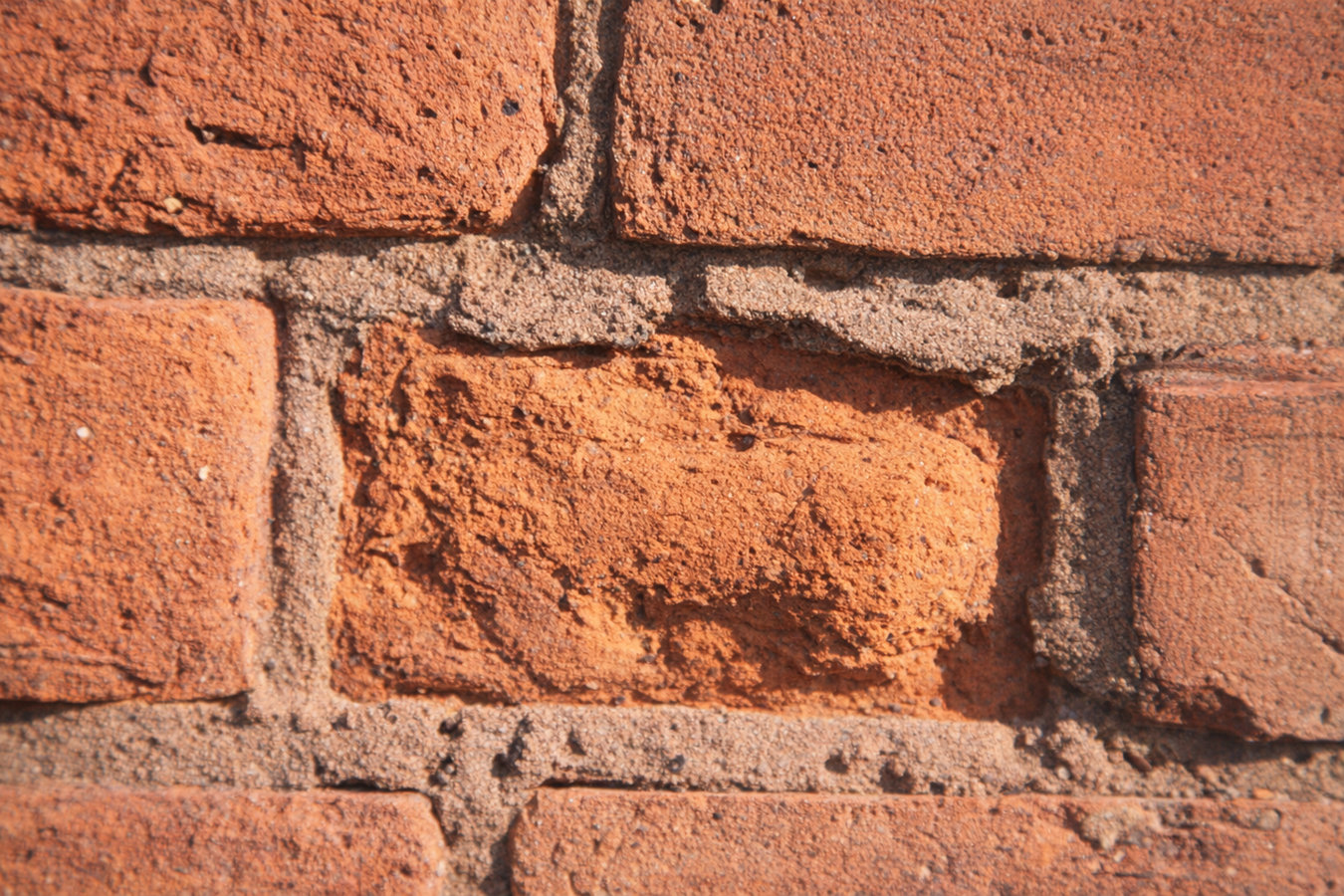
Brick pointing in Bismarck means removing old, worn-out mortar from the joints between your bricks and packing in fresh mortar - most chimney or single-wall projects take one to two days, while a full house repoint covering all four sides can take a week or more depending on condition and size.
Those mortar joints do a quiet but critical job: they stop water from getting behind your bricks and into your walls. When they fail, water finds its way in - and in Bismarck winters, that water freezes, expands, and can crack bricks from the inside. Catching failing joints early is almost always cheaper than repairing the damage they cause later. Homeowners with older brick homes often also ask about foundation repair at the same time, since the same freeze-thaw forces that wear mortar joints can stress foundation masonry as well.
If the lines between your bricks look hollow, crumbly, or have visible gaps, the mortar is failing. In Bismarck, this often shows up most clearly right after the spring thaw - the winter's freeze-thaw cycles do their damage, and by April or May it is visible to the naked eye. Once gaps open up, water gets in and the damage accelerates each subsequent winter.
A fine gray or tan powder collecting along the base of a brick wall or at the bottom of your chimney is mortar that has worked loose and fallen out. This is a sign the joints are hollow or crumbling from the inside - and it tends to accelerate once it starts. Do not mistake clean-looking bricks above for healthy joints; the dust below tells the real story.
Diagonal cracking in a stair-step pattern along mortar joints - especially near the corners of your home or above window and door frames - can indicate subtle foundation movement from Bismarck's clay-heavy soils. Do not ignore a pattern of cracks even if each individual crack looks small. A mason can tell you whether the pattern is normal settling or something that warrants a closer look.
If you notice water marks, peeling paint, or damp patches on interior walls that share a surface with exterior brick, failing mortar joints are a likely culprit. Bismarck's wind-driven rain and snow can push water through even small gaps in mortar - particularly on the north and west sides of a home where weather exposure is highest year-round.
We handle brick pointing for chimneys, exterior walls, and foundation courses on residential properties throughout the Bismarck area. Every job starts with an honest assessment of what the mortar actually needs - not a sales pitch for a scope larger than necessary. For chimneys, we inspect all four sides since each faces different weather exposure. For exterior walls, we prioritize the north and west faces where wind-driven moisture causes the most wear. Homeowners dealing with broader masonry deterioration may also benefit from masonry restoration, which addresses structural issues beyond the mortar joints.
For homes built before the 1970s - a large share of Bismarck's housing stock - we assess the original mortar before selecting a replacement. Using a mortar that is too hard for older brick causes the bricks themselves to crack, which is a far more expensive repair than the pointing work itself. We also offer foundation repair for homeowners whose brick or block foundation walls are showing similar mortar deterioration or structural stress from clay soil movement.
Best for homeowners whose chimney mortar looks noticeably lighter, more recessed, or more crumbly than the rest of the house - chimneys take the most weather exposure and typically need attention first.
Suited for brick homes where sections of exterior wall - especially the north and west faces - show visible joint deterioration after years of wind-driven moisture exposure.
The right option for Bismarck homes built before the 1970s where the original lime-based mortar must be matched in flexibility and composition to avoid cracking the older brick.
A practical choice when only isolated areas show damage - addressing problem spots early prevents the failure from spreading to healthy sections of the wall.
Bismarck averages around 130 freeze-thaw cycles per year - meaning temperatures cross the freezing mark and back again more than 130 times annually. Every time that happens, any water sitting in a cracked mortar joint expands as it freezes and chips the joint a little wider. For homeowners here, this means mortar deteriorates faster than in milder climates. Waiting even one more winter on a joint that is already cracking can turn a manageable repair into a much larger one. The Brick Industry Association provides technical standards for cold-climate pointing work that we follow on every project. Homeowners in Mandan face the same freeze-thaw conditions and the same urgency around mortar maintenance.
A significant portion of Bismarck's brick homes were built between the 1940s and 1970s, which means the original mortar in many of them is now 50 to 80 years old. Mortar from that era was often made with a softer lime-based mix that behaves differently from modern mixes. The clay-heavy soils in much of the Bismarck area also cause subtle foundation movement that shows up first as diagonal cracks in mortar joints, especially near corners and window openings. If you are seeing cracks in a pattern rather than random spots, that is worth mentioning to your mason. Homeowners throughout Washburn and surrounding communities deal with the same aging housing stock and soil conditions, and we serve those areas regularly.
We respond within one business day. We ask what you are seeing - crumbling joints, cracks, water stains - and schedule a free on-site visit. Because Bismarck's season is short, reaching out early in spring gives you the best chance at a timely appointment.
We walk the exterior - or inspect the chimney - to assess how much mortar has failed and how deep the damage goes. We check the condition of the bricks themselves, not just the joints. You receive a written estimate before any work is agreed to, with no obligation.
The crew uses small grinders or hand chisels to remove old mortar to the proper depth - roughly three-quarters of an inch. Then they pack fresh mortar by hand, tool each joint to a consistent finish, and brush away loose material. This is the noisiest part of the work.
At the end of the job, we clean up mortar dust and debris and walk you through the finished work. Fresh mortar needs 24 to 48 hours to harden - we will tell you what to avoid during that window and advise a quick visual check the following spring to confirm everything held.
Free on-site assessment. Written estimate before any work begins. We respond within one business day.
A lot of Bismarck's brick homes were built in the 1950s and 1960s with softer lime-based mortar. Using modern hard mortar on these older bricks causes the bricks themselves to crack over time - a problem that costs far more to fix than the original pointing work. We assess the existing mortar before choosing a replacement so the new joints work with your home, not against it. National Park Service Preservation Briefs provide detailed guidance on mortar hardness matching for older brick.
Bismarck sits in an exposed, wind-swept landscape and prevailing winds push rain and snow directly into exterior walls. The north and west faces of a brick home take more weather punishment than the south and east sides. We pay closest attention to those exposed faces during every inspection and pointing project - so the most vulnerable spots get the most thorough repair.
We have been working on brick and masonry throughout the Bismarck area since 2018. That means we know the local housing stock, the contractors who build here, and what the Northern Plains climate does to mortar over time. When we give you advice, it comes from years of seeing what holds and what does not in this specific place.
Some contractors smear fresh mortar over old, failing joints to make things look better without actually fixing them. In Bismarck's climate, a surface fix will not survive the first hard winter. We remove the old mortar to the proper depth before anything new goes in - because that is the only repair that actually holds for 25 years or more.
Brick pointing done right in Bismarck is not a surface fix - it is the repair that stops the freeze-thaw damage cycle before it reaches the bricks themselves. Every project we take on is built around that goal, with mortar choices and workmanship that hold through North Dakota winters for 25 years or more.
For permit questions on structural work, contact the City of Bismarck Building Inspection Division.
Address cracks and deterioration in your foundation masonry before clay soil movement and freeze-thaw cycles turn a small problem into a major structural repair.
Learn MoreWhen mortar joint repair is just part of a larger picture, masonry restoration brings aging brick and stone structures back to sound, weathertight condition.
Learn MoreBismarck's working season runs May through September - contractor spots go fast in spring, and every winter you wait gives freeze-thaw damage more time to work on your joints.