Serving Bismarck, ND and surrounding areas. (701) 299-5558
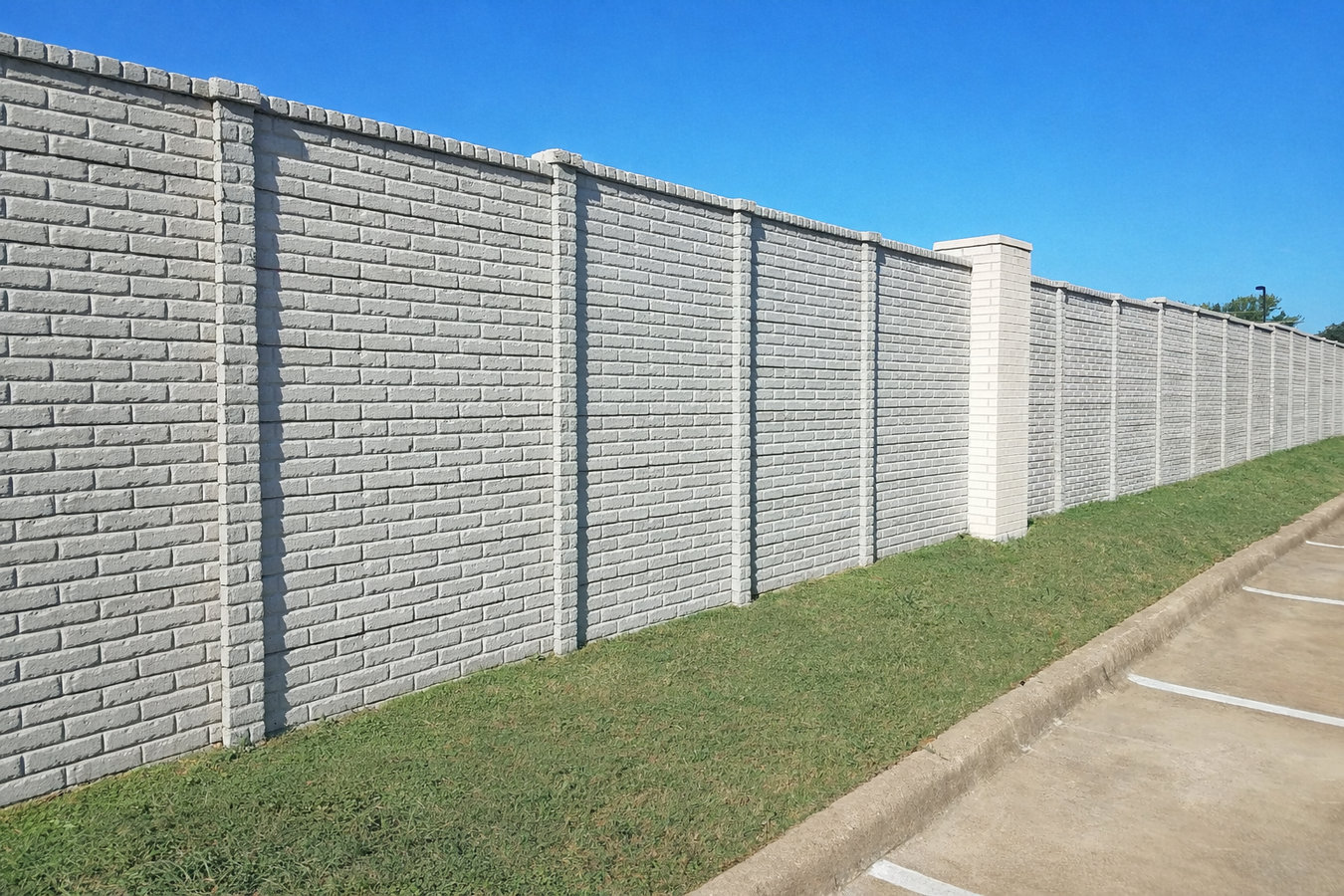
Slopes eroding, soil washing away, or a yard that needs a defined edge - concrete block walls solve all of it. We build walls with frost-depth footings and proper drainage designed for North Dakota's deep freeze-thaw cycle.
Concrete block wall construction in Bismarck starts with a footing buried below the frost line - typically 42 to 48 inches down - then stacks hollow or solid blocks bonded with mortar, most projects running one to three days for a straightforward garden wall and up to a week or more for taller retaining walls.
Bismarck homeowners use concrete block walls for garden borders, raised planting beds, property dividers, and retaining walls that hold back soil on sloped lots. The finished result feels solid and permanent compared to wood or vinyl alternatives - and unlike those materials, a properly built block wall will still be standing 50 years from now without rotting or warping.
For projects that require structural depth below ground - like a garage or outbuilding perimeter - our foundation block wall installation service covers that work with the same frost-depth standards.
If you can see that a wall is no longer straight - it leans toward you, bulges outward, or has diagonal cracks running through the blocks - it is under stress it was not designed to handle. In Bismarck, this often happens after several hard winters where frost pushed against an inadequately footed wall. A leaning retaining wall can fail suddenly, so a professional opinion sooner rather than later is worthwhile.
Soil creeping downhill after rain, bare patches where grass will not grow on a slope, or mulch constantly washing out of a raised bed means your yard needs something to hold it in place. Bismarck's spring snowmelt can be intense, and sloped yards without proper retention lose soil every year. A concrete block retaining wall stops that erosion and gives you back stable, usable yard space.
Run your hand along an older block wall and tap the mortar joints with a coin. If the mortar crumbles away easily, sounds hollow, or has gaps you can see daylight through, the wall has lost most of its bonding strength. This is common on Bismarck properties with walls built in the 1970s and 1980s, and it makes the wall vulnerable to the next hard freeze.
Water collecting near your home's foundation during spring thaw or heavy summer rain means the grade around your house may be working against you. A properly placed retaining or landscape wall can redirect that water away from your foundation. Bismarck's spring snowmelt can deliver a large volume of water in a short period, making this especially worth addressing here.
Every concrete block wall project starts with the footing - that buried concrete base that keeps the wall from shifting or sinking over time. In Bismarck, footings must go several feet underground to stay stable through the freeze-thaw cycle. That is the single most important factor in how long your wall lasts, and it is where we never cut corners. For retaining walls, we also plan drainage behind the wall from the start, because water trapped behind a wall is the most common cause of failure.
Our work extends to adjacent masonry projects. If you are building out an outbuilding or adding a garage, our foundation block wall installation service covers the below-grade structural work. For vertical borders or privacy screens using traditional brick, our brick wall installation team brings the same cold-climate craftsmanship to clay brick construction.
Suits homeowners with sloped lots who need to hold back soil, prevent erosion, and create level usable yard space.
Suits homeowners who want a defined, permanent edge for raised planting beds, patio perimeters, or yard sections.
Suits homeowners who want a clear, durable boundary between their yard and a neighbor's or between sections of their own property.
Suits homeowners with an existing wall that is leaning, cracked, or has failed mortar joints that cannot be fixed with repointing alone.
Bismarck sits in a climate zone where the ground freezes to roughly 42 to 48 inches in a typical winter. Any wall footing that does not reach below that depth will heave, crack, and shift as the ground freezes and thaws each year. That adds to the cost and time of every wall project here compared to warmer states, but it is not optional - it is what makes the wall last. The clay-heavy soil in much of the Bismarck area adds another layer of complexity. Clay soil swells when wet and shrinks when dry, putting stress on footings and the wall above them. A contractor with local experience accounts for this in how they prepare the base and handle drainage.
We work throughout the region, including in Mandan and communities like Lincoln where many newer homes sit on lots with established grade and drainage patterns. Adding or replacing a block wall on an older Bismarck lot means thinking carefully about where water goes during a heavy rain before finalizing the wall's position. That site-level thinking is part of every estimate we do.
We ask what the wall is for, roughly how long and tall you are thinking, and whether there is a slope or drainage concern. You will hear back within one business day and we schedule a site visit rather than quoting over the phone - the ground conditions at your specific property matter too much to skip that step.
We walk the site with you, mark where the wall will go, and discuss drainage and grading. For most retaining walls in Bismarck, a permit is required - we handle the application and let you know the expected approval timeline, typically a few business days to a couple of weeks.
The crew digs a trench to the required frost depth, pours the footing, and lets it set before stacking blocks course by course. For retaining walls, gravel and drainage pipe go behind the wall as it rises. Most walls are completed in one to three days of active block work once the footing is ready.
When the last block is set the site is cleaned and debris hauled away. If a permit was pulled, a city inspector schedules a visit - we coordinate this and you do not need to be home. Give the mortar at least a week before putting soil pressure against the wall, and expect full strength after about a month.
Free estimate, no obligation. We reply within one business day.
Every wall we build starts with a footing that goes deep enough to stay below the frost line. The ground can freeze and thaw as many times as it wants and your wall will not move. This is the most critical part of any block wall project in Bismarck, and it is where we never compromise on depth to save time or materials.
Water trapped behind a retaining wall becomes a slow-building pressure that eventually pushes the wall out. We plan gravel backfill and drainage pipe into every retaining wall before the first block is set. Bismarck's spring snowmelt moves a lot of water fast, and a wall without drainage will not hold up through it.
The City of Bismarck Building Inspections requires permits for most retaining wall projects. We handle the application and coordinate the city inspection - you get documented proof that the work was done to code, which protects your home's value if you ever sell.
Your written estimate spells out labor, materials, footing depth, and any drainage work your project requires. Variables like soil conditions or permit fees are discussed before you sign anything - not after the crew is already digging. What you approve is what you pay.
Every concrete block wall project comes with the same commitment to frost-depth footings and drainage-first planning. Call us and you will get a straight answer about what your property needs, not a quote built on shortcuts.
Below-grade structural block walls for garages, outbuildings, and additions built to Bismarck's frost-depth requirements.
Learn MoreFreestanding and privacy brick walls that bring traditional character to yard borders and property dividers.
Learn MoreOur summer schedule fills fast - reach out now to lock in your project date and get a free written estimate before the season gets away from you.