Serving Bismarck, ND and surrounding areas. (701) 299-5558
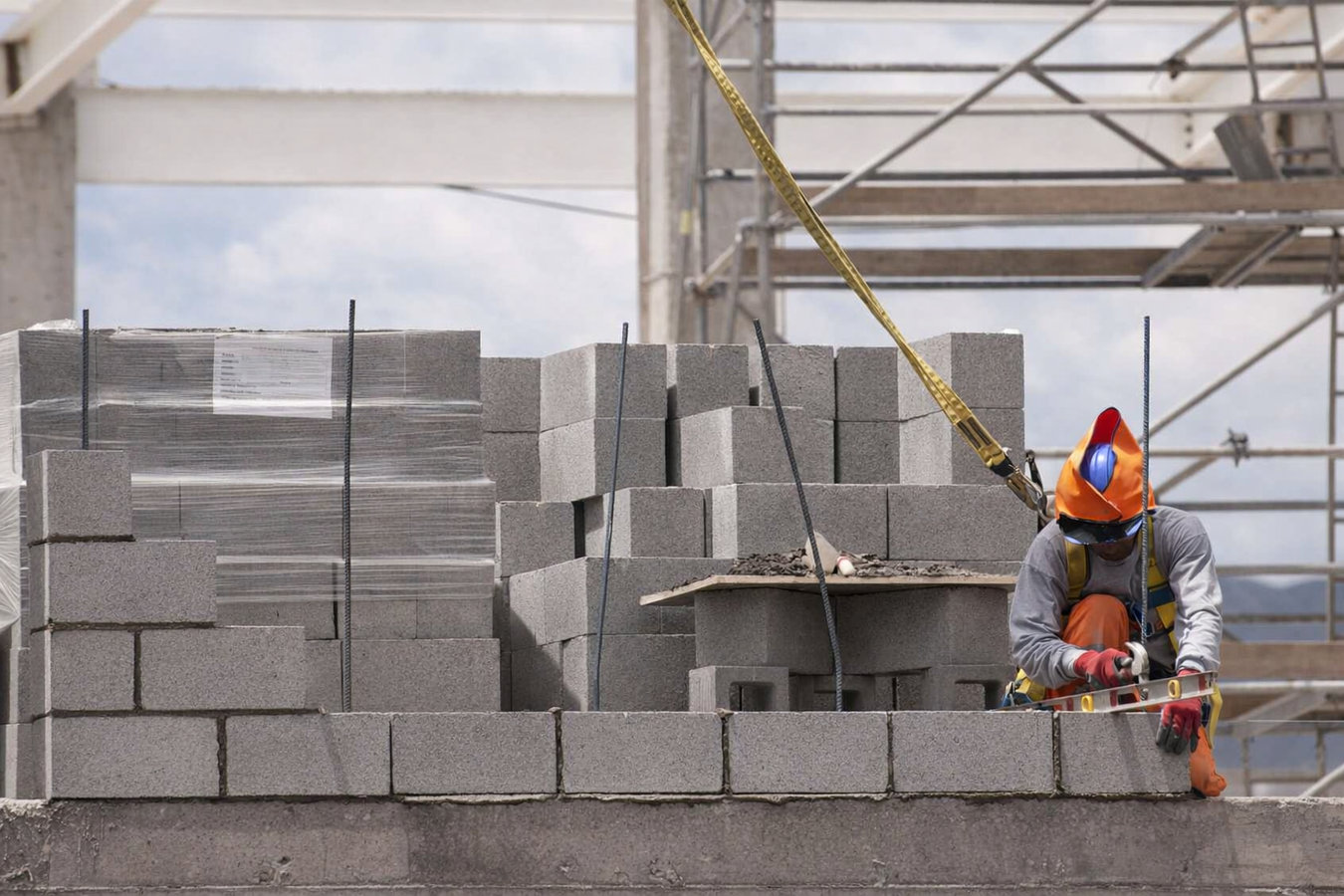
Clay soils and brutal winters crack foundations that were not built for this climate. We dig below the frost line, reinforce properly, and waterproof before backfilling.
Foundation block wall installation in Bismarck means stacking hollow concrete blocks in a reinforced grid, filling key sections with steel rods and poured concrete, and waterproofing the exterior before backfilling - most single-family home walls are built and inspected within three to five weeks, depending on excavation depth and site conditions.
Bismarck homeowners face two challenges most other markets do not - ground that freezes 48 to 60 inches deep every winter, and clay-heavy soil that expands and contracts with each wet and dry cycle. A foundation block wall that was not built with those conditions in mind will show cracks, moisture, or inward bowing within a few years. If you are also dealing with an older block wall that has already started failing, our foundation repair service may be the right first step before any new installation work begins.
Whether you are building a new basement, adding an accessory structure, or replacing a wall that has seen too many North Dakota winters, getting the footing depth, reinforcement, and drainage right from the start is the only way to avoid paying for it twice.
Cracks that run sideways across your basement wall - especially wider in the middle than at the ends - mean the wall is bowing inward under soil pressure. In Bismarck, clay soils and freeze-thaw cycles put significant lateral force on foundation walls. This is a structural issue, not a cosmetic one, and it gets worse if left alone.
Cracks that travel diagonally along the mortar lines between blocks in a staircase pattern often mean the wall has shifted or settled unevenly. This can happen when the footing was not deep enough to stay below Bismarck's frost line, causing the ground to heave each winter. If the cracks have grown wider since you first noticed them, that is a signal to act.
Bismarck's spring snowmelt sends a large volume of water into the soil around your foundation in a short period. If your basement walls are damp, show white chalky deposits, or have visible water stains after rain or thaw, the wall's waterproofing has likely failed. Persistent moisture weakens the mortar over time and leads to more serious structural problems.
Stand back and look at your basement wall from across the room. If any section curves inward or leans rather than standing perfectly straight, the wall is under stress it was not designed to handle. This warrants a professional evaluation before the next winter adds more freeze-thaw pressure to the situation.
Every foundation block wall project starts with excavation to the correct frost depth and a poured concrete footing that sets the foundation for everything above it. From there, we lay the block courses in mortar, place vertical steel reinforcement rods at regular intervals, fill the hollow cores with concrete, and apply waterproofing to the exterior face before the city inspection and backfill. We also coordinate with licensed plumbers and electricians if any utility rough-ins need to happen during the build phase.
We handle full foundation installations for new basements, additions, and accessory structures, as well as partial wall replacements where only a section of an existing foundation has failed. For properties where the existing block wall is structurally sound but has developed moisture problems, we can assess whether improved drainage and waterproofing can solve the issue without full replacement. If the situation calls for broader structural intervention, our outdoor kitchen masonry team works alongside us on projects that combine below-grade and above-grade masonry on the same site.
Best for new construction, home additions, or replacing a failed foundation on an existing structure.
Suited to homes that need a frost-protected perimeter wall without a full-depth basement excavation.
For foundations where only a damaged section needs to be removed and rebuilt while the rest of the wall remains intact.
For existing walls that are structurally sound but allow moisture intrusion through failed coatings or inadequate drainage.
Bismarck sits in one of the coldest climates in the continental United States, and the ground freezes to a depth of roughly 48 to 60 inches in a hard winter. That frost depth requirement alone means excavation and material costs here run higher than in warmer states - and a foundation that was built to a shallower depth will start showing movement after the first few freeze-thaw cycles. The clay-heavy soils common throughout Burleigh County add another layer of challenge. Clay expands when it absorbs water and contracts when it dries out, putting sustained lateral pressure on foundation walls from the outside. Any well-built block wall in this area needs robust steel reinforcement and a drainage layer behind the wall before backfilling - not as optional upgrades, but as baseline requirements for the local soil conditions. Homeowners in Mandan face the same frost and clay challenges as Bismarck, and we build to those same standards across every job we take in the region.
Many homes in Bismarck's older established neighborhoods were built between the 1950s and 1980s to standards that predate current requirements. These walls often lack the waterproofing and drainage features that are standard practice today, which is why moisture problems and inward bowing are common complaints in those areas. If you are in one of the newer growth corridors on the south and west sides of the city - or if you are building from the ground up anywhere in the service area, including Lincoln - the same principle applies: build it right the first time, and your foundation will not need attention again for decades. Bismarck's construction season runs roughly late April through October, and contractors fill their schedules fast once the ground thaws, so reaching out in early spring gives you the best chance of getting on the schedule before the busy season closes.
Foundation work varies too much to quote over the phone. We come to your property, assess the size, soil conditions, and site access, and give you a written estimate to review - usually within one business day of the visit.
We apply for the required City of Bismarck building permit before any digging starts. Once the permit is in hand, we excavate to the correct frost depth and pour the concrete footing that everything else sits on.
We lay the block courses in mortar, checking constantly for level and plumb. Steel rods go vertically through the hollow cores at regular intervals, and those cores are filled with concrete - the work that makes the wall structurally sound.
Before any soil goes back against the wall, we apply a waterproof coating and install a drainage layer. The city inspector verifies the work, and then we backfill, grade for drainage, and walk you through the 28-day curing period.
We reply within one business day. No obligation - just a straight conversation about your project and what it will take to do it right.
We design every footing to sit below the local frost line - roughly 48 to 60 inches - which is non-negotiable in this climate. A shallower footing will heave with the ground, and that movement cracks block walls from the inside out. Getting the depth right is the single most important decision on any foundation project here.
The City of Bismarck requires a building permit and staged inspections for all foundation work. We handle the permit application as part of our standard process - you never have to chase it yourself. That documentation also protects you at resale and confirms the work was done to code.
Skipping drainage behind the wall is the most common reason block foundations develop moisture problems years after installation. We apply waterproof coatings and install a drainage layer before every backfill - it is built into how we work, not priced as an optional upgrade.
The NCMA sets the technical guidelines for how block walls should be reinforced, grouted, and built to carry structural loads. Staying current with those standards - rather than following minimum code alone - is part of how we ensure walls built today are still performing well decades from now. Visit{' '}ncma.org for more on block wall construction standards.
Every foundation project we take on in Bismarck gets the same process: correct frost depth, proper reinforcement, waterproofing before backfill, and city inspections at every required stage. That combination is what separates a foundation that lasts from one that starts showing problems within a few winters.
Permanent masonry outdoor kitchen structures built with the same frost-depth foundation principles used on basement walls.
Learn MoreTargeted repair for existing foundation walls showing cracks, inward bowing, or moisture infiltration before full replacement is needed.
Learn MoreBismarck contractors book solid by early summer - reach out now and lock in your project before the schedule closes.