Serving Bismarck, ND and surrounding areas. (701) 299-5558
Bismarck Concrete & Masonry has served Bismarck homeowners with foundation repair, tuckpointing, and chimney repair since 2018, responding to most inquiries within one business day.
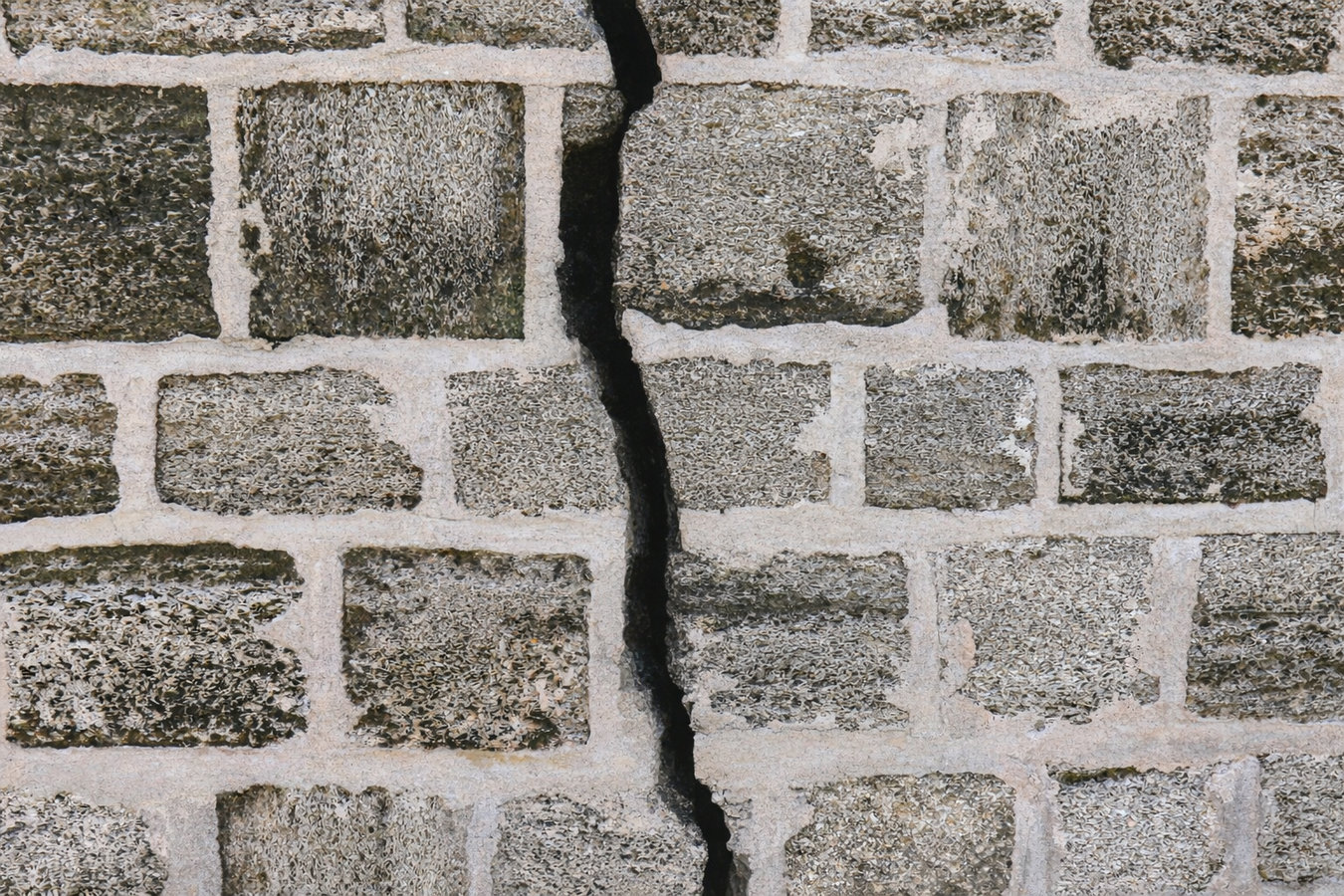
Bismarck sits on clay-heavy soil that swells when wet and shrinks when dry, putting constant pressure on basement walls and footings. That movement is the leading cause of foundation cracks in this city, and addressing it early keeps a manageable repair from becoming a major structural job. Learn more about foundation repair in Bismarck.
Bismarck has a substantial stock of older brick homes, particularly in the established neighborhoods near the Capitol and on the south side. Original mortar from mid-century construction is now well past its intended lifespan in many of these homes, and Bismarck's freeze-thaw cycles accelerate the deterioration every winter.
Bismarck's wind-driven rain and hard winters are particularly punishing on chimney mortar and caps. Homes built in the 1950s through 1970s are the most likely candidates, but any chimney that has gone uninspected for several years in this climate deserves a close look before the heating season begins.
Properties near the Missouri River bluffs and on Bismarck's rolling terrain often need retaining walls to manage slope drainage and prevent erosion. Clay soils that shift with moisture changes can undermine existing walls quickly, making proper base preparation critical on every job here.
Bismarck's deep frost and heavy snowplow traffic are hard on asphalt, and many homeowners switch to concrete or brick pavers for a surface that holds up better to the city's winters. Proper base preparation and joint sand selection matter here more than in milder climates.
Spalling brick is a common sight on older Bismarck homes after a hard winter - the freeze-thaw cycle that works into mortar joints also forces moisture into porous brick faces, and once water gets in, the surface breaks apart. Matching replacement brick to aged originals takes care and local experience.
Bismarck is one of the most demanding climates in the continental United States for masonry. Temperatures regularly drop below -20 degrees in January, the frost depth can reach five to six feet underground, and the spring thaw sends large volumes of water into clay soil that cannot absorb it fast enough. Every one of those conditions puts stress on foundations, mortar joints, chimneys, and any masonry structure attached to your home. The same brick wall that looks fine in September can show measurable new damage by April if small problems are left unaddressed going into winter.
The clay-heavy soil under most Bismarck homes compounds the problem. Clay expands when it gets wet and shrinks when it dries out, and that constant movement puts pressure on basement walls and footings year-round. Combined with the freeze-thaw cycle, it creates conditions where foundation cracks that start small can grow quickly. A significant portion of Bismarck's housing stock dates to the 1950s through 1980s, meaning a large share of local homes are working with original masonry that has been absorbing decades of this treatment. Getting ahead of these problems - before a minor repair becomes a major one - is the practical approach for any homeowner planning to stay in their home.
Our crew works throughout Bismarck regularly, pulling permits through the City of Bismarck Building Inspections Division for structural work and coordinating inspections as required. We know the clay soil conditions that affect the west side near the Missouri River bluffs, and we know how the older neighborhoods closer to the North Dakota State Capitol differ from the newer subdivisions expanding south and west. Those differences matter when it comes to base preparation for flatwork, depth requirements for retaining wall footings, and matching mortar on homes with original mid-century brick.
Bismarck is a city most of our team has lived and worked in for years. We have done jobs near Bismarck State College on the north side, in the established neighborhoods along State Street, and on the newer builds coming up in the southern parts of the city. Whether the address is a 1960s ranch home with original brick or a newer construction with a failing retaining wall, we have seen the same conditions play out and know what to look for. We also serve homeowners in Mandan just across the Missouri River, and throughout the broader region.
Reach out by phone or through the contact form and describe what you have noticed. We reply within one business day and schedule a site visit at a time that works for you - no pressure to commit to anything on the first call.
We walk the property, look at the condition of the masonry, and explain what we find in plain terms. You receive a written estimate before any work starts - the number you say yes to is the number you pay, with no surprises at the end.
For structural jobs that require a city permit, we handle the application through the Bismarck Building Inspections Division. Permits add a few days to the timeline but mean the work is inspected and documented - important for your home's history.
We complete the work, clean up the site, and do a walkthrough with you before leaving. You receive documentation of what was done and any warranty details in writing, so you have a clear record for your files.
We serve homeowners throughout Bismarck and reply to every inquiry within one business day. No sales pressure - just a straight answer about what your home needs and what it will cost.
Bismarck is the capital of North Dakota and home to around 73,000 residents, sitting on the east bank of the Missouri River in the south-central part of the state. As a capital city, it has a stable base of government employment - the North Dakota State Capitol is the most visible landmark in the city, a 19-story Art Deco tower visible for miles. The city also has two major hospital systems - Sanford Health and CHI St. Alexius Health - which means a large share of residents hold long-term, stable jobs and are invested in maintaining their properties. Most homes in Bismarck are single-family and owner-occupied, and residents tend to stay for years.
The housing stock ranges widely by neighborhood. Older areas near downtown and along the established streets to the north and south feature brick and wood-sided homes from the 1920s through 1960s - many with original masonry chimneys, brick exteriors, and full basements. The south and west sides of the city have grown steadily since the 2000s with newer subdivisions on larger lots. Both types present different masonry needs. We work throughout the city, from the blocks near Bismarck State College to the newer construction on the south end. Homeowners in nearby Mandan also call us regularly for the same range of services.
Build walls that hold soil, prevent erosion, and add curb appeal.
Learn MoreEnhance any surface with beautiful, low-maintenance stone veneer.
Learn MoreConstruct solid concrete block walls for security and lasting durability.
Learn MoreInstall strong block foundation walls built to handle North Dakota conditions.
Learn MoreWhether you need tuckpointing, foundation repair, or a new retaining wall, we are ready to help. Call or submit a request now and we will get back to you within one business day.