Serving Bismarck, ND and surrounding areas. (701) 299-5558
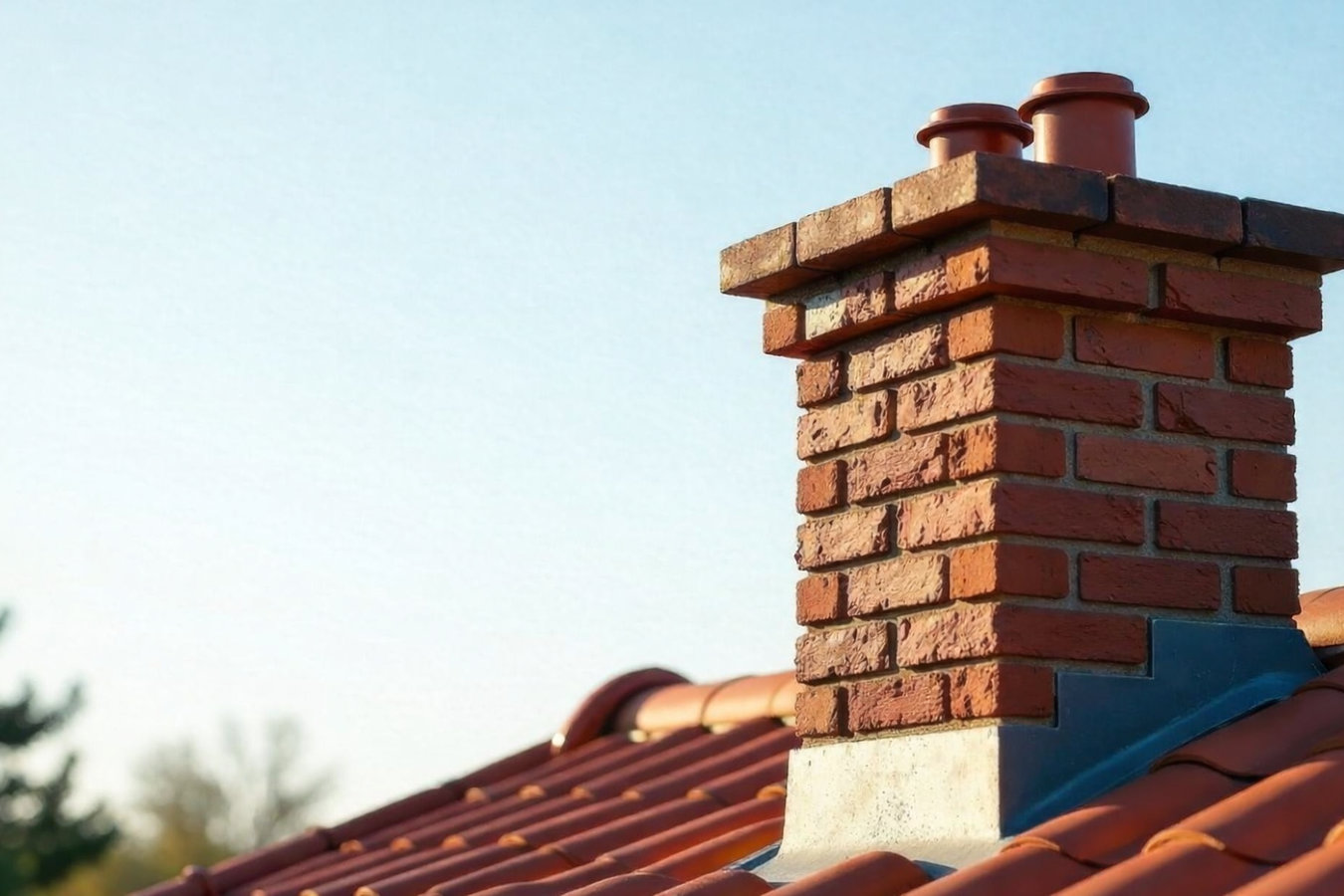
Crumbling mortar, missing caps, and failed flashing let water in all winter. We find the source, repair it correctly, and get your chimney ready before the cold arrives.
Chimney repair in Bismarck, ND addresses the specific ways a chimney deteriorates in a northern climate - crumbling mortar joints, failed flashing, damaged caps and crowns, and cracked flue liners - with most jobs completed in one day to three days. A chimney is a sealed system that moves heat and combustion gases safely out of your home. When any part of that system breaks down, water gets in, heat escapes, and in serious cases, gases can back up into your living space.
Bismarck homeowners often notice chimney problems for the first time in spring - white staining on the brickwork, water on the firebox floor, or ceiling stains near the chimney after the thaw. By then, the damage has typically been building all winter. Catching these signs early and getting repairs done in the spring or summer protects your home before the next heating season.
Many chimney repair jobs involve tuckpointing - replacing deteriorated mortar between bricks - which is one of the most common repairs we do across Bismarck's older housing stock.
Chalky white streaks on your chimney's exterior mean water has been moving through the masonry and leaving mineral deposits as it evaporates. In Bismarck, this often appears after the spring thaw. It is not just cosmetic - water is getting in somewhere and the source needs to be found and fixed.
Run your hand along accessible mortar joints on the lower chimney. If mortar feels soft, sandy, or sits more than a quarter inch behind the brick face, it is breaking down. Bismarck's freeze-thaw cycles are hard on older mortar, and once joints fail, water gets in fast and the damage compounds.
Brown or yellowish staining on the ceiling around your chimney, or on the wall behind your fireplace, points to failed flashing - the metal seal where chimney meets roof. This is one of the most common chimney problems and one of the most important to address quickly, since water in your walls or attic leads to mold.
Look up at the top of your chimney. There should be a metal cap covering the opening. If it is missing, visibly rusted through, or sitting at an angle, rain and snow are falling directly into your flue. After a Bismarck winter with heavy snow and ice, caps that were already weakened often do not survive intact.
We cover the full range of chimney repair work in Bismarck. Tuckpointing - replacing deteriorated mortar between bricks - is the most common repair we perform on older homes, and we also repair and replace chimney caps, rebuild damaged crowns, fix or replace flashing, and reline the interior flue when cracking or deterioration has compromised the liner. For a broader look at mortar joint work across your entire home's masonry, our tuckpointing service addresses the same deterioration pattern across any brick surface.
For homeowners who want to get more use out of their fireplace after repairs, we also offer fireplace installation - useful when the firebox itself is damaged or when a homeowner wants to upgrade to a new insert or gas system. We trace where water is actually entering rather than patching the most visible spot - that is how we avoid callbacks.
Right for chimneys where mortar joints are crumbling, recessed, or letting water in - the most common repair on Bismarck homes built before 1990.
Best when the metal cap is missing or rusted through, or when the concrete crown at the top of the chimney is cracked and admitting water.
Needed when water stains appear on the ceiling or wall near the chimney - failed flashing where the chimney meets the roof is the most common cause.
Required when the interior liner is cracked or deteriorated - important for safety, since a compromised liner allows heat to transfer to nearby framing.
Bismarck's climate is genuinely hard on masonry. The combination of temperatures that drop well below zero in winter, hot summers, and repeated freeze-thaw cycles in spring and fall means mortar and brick in your chimney expand and contract constantly. Chimneys in milder climates can go longer between repairs - here, that cycle opens small cracks that let water in, and the next freeze makes those cracks bigger. A significant portion of homes in Bismarck were built in the 1940s through 1970s, and chimneys from that era used softer mortar mixes that were not designed to last indefinitely without repointing.
High winds are another local factor. Bismarck sits in an exposed corridor and sees sustained winds of 20 to 35 mph regularly, with higher gusts during spring and fall storms. Wind-driven rain forces water into gaps that would otherwise drain harmlessly, making caps and crowns particularly vulnerable. The Chimney Safety Institute of America recommends annual inspections for exactly these reasons - and in a climate like Bismarck's, that advice holds especially true. We regularly serve homeowners in Mandan and Washburn who face the same freeze-thaw and wind conditions as Bismarck proper.
We ask a few basic questions - how old is your home, what have you noticed, when did you last have the chimney looked at. You do not need all the answers. We respond within 1 business day to schedule the on-site visit.
We inspect the exterior, firebox, damper, and often the flue using a camera. This takes 45 minutes to an hour. You will get a written estimate afterward explaining what needs immediate attention, what can wait, and what each repair costs.
Spring and early summer are the busiest months in Bismarck - the best contractors book up quickly. If you are calling in May or June, expect a few weeks out. Booking in late winter or early spring gives you more flexibility and lets mortar cure before cold weather arrives.
Most repairs are done from the exterior. We protect your landscaping and roof area, complete the work, and clean up before leaving. You receive a walkthrough of what was done, any curing time instructions, and warranty information in writing.
We respond within 1 business day to all estimate requests. There is no obligation after the inspection. Someone from our office will call to schedule a free on-site evaluation at a time that works for you.
A lot of chimney repairs fail because the visible damage gets patched and the actual entry point gets missed. We inspect the entire chimney system - cap, crown, flashing, mortar, and liner - before recommending repairs, so the fix addresses the cause.
We give you an itemized written estimate after the inspection, with a clear explanation of what is urgent versus what can wait. The number you approve is the number you pay.
Masonry mortar needs temperatures above freezing to cure properly. We schedule chimney repair work within the reliable May-through-September window and plan ahead so repairs are fully cured before your first fire of the season.
Many Bismarck homes were built with softer mortar mixes that are now well past their service life. We know what to look for in mid-century chimneys and give honest assessments - not a sales pitch for work you do not need.
Bismarck's winters are not forgiving. A chimney that looks fine from the street can be quietly letting water into your attic or walls all season. We find that problem and fix it before it becomes a larger repair or a health issue from mold.
Tuckpointing restores deteriorated mortar joints across your entire chimney or exterior masonry - the best way to stop water intrusion before it reaches the brickwork.
Learn MoreIf your firebox or surrounding masonry is beyond repair, a new fireplace installation gives you a safe, properly-lined system built to current standards.
Learn MoreScheduling fills up fast in Bismarck once the ground thaws - call now to get on the calendar and have repairs finished before the heating season starts.